Local Silicon Valley
  • Home
  • About
  • VIDEOS
  • REVIEWS
  • Contact
  • PRESS
  • Blog
  • STATS
  • HOME VALUE
  • SEARCH

BLOG

Silicon Valley Real Estate Market | Santa Clara County South Bay & Peninsula Housing Trends | January 2026

1/24/2026

0 Comments

 
As we kick off 2026, the Silicon Valley real estate market continues to show unique regional dynamics, resilient pricing, and inventory challenges that both buyers and sellers should understand before making moves in Santa Clara County, the South Bay and the Peninsula.
Picture
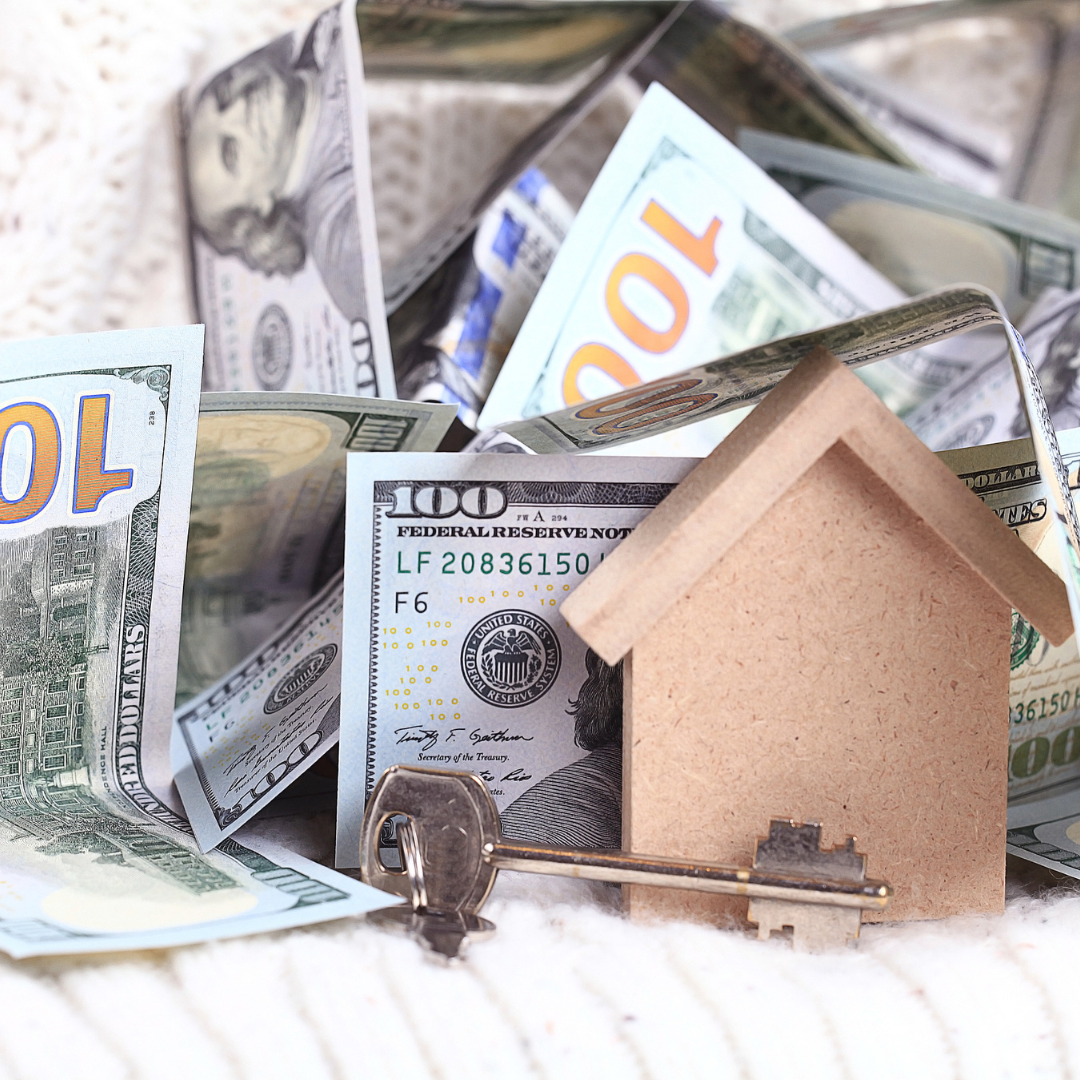
Silicon Valley real estate market trends January 2026

Santa Clara County Market Snapshot

  • Santa Clara County’s median home price hovers around $1.8M, showing modest year-over-year stability despite seasonal swings.
  • Real estate markets have seasonal slowdowns in the winter, which can modestly increase days on market. We are currently in the range of approximately 20-30 days to sell, throughout the South Bay.
  • Inventory levels remain below historic averages, which continues to benefit sellers, though buyer activity persists even with higher mortgage rates.
    ​
What this means: Sellers are still competitively positioned, and buyers need strong strategies and pre-approval confidence to win in a tight market. That being said, it's felt slow giving buyers a slight advantage.
Picture
Average home price in Santa Clara County, January 2026
Picture
Average days on market, Santa Clara County real estate market, January 2026

South Bay Real Estate Trends

 The South Bay ... anchored by San Jose, Morgan Hill, and Cupertino ... continues to reflect core Silicon Valley strength:
  • Median values in many South Bay cities remain elevated relative to broader Santa Clara County averages.
  • Low inventory persists, especially in desirable suburban neighborhoods, keeping sales competitive when priced well.
  • Buyers are often willing to move quickly for well-priced single-family homes, while condos can see slightly longer days on market relative to detached homes.

Tip for buyers: Focus on readiness and responsiveness — the strongest offers often come from buyers who are pre-approved and are flexible on terms.

​Peninsula Market Dynamics

The Peninsula real estate market (including Palo Alto, Menlo Park, and San Mateo) continues to perform at a premium:
  • San Mateo County has seen notable price gains relative to other Silicon Valley sub-markets.
  • Peninsula homes routinely command higher price points due to proximity to tech centers, excellent schools, and commuter access.
  • While inventory tightness impacts the region broadly, the Peninsula often feels it most keenly due to persistent demand.

Seller’s Edge: Well-positioned Peninsula homes continue to attract serious interest, often selling close to or above list price.

Market Themes Heading Into Spring 2026

✔ Inventory constraints still define Silicon Valley — fewer homes for sale keeps pressure on both South Bay and Peninsula pricing.
✔ Affordability remains a challenge as mortgage rates stay elevated, though rates are expected to ease slightly through 2026.
✔ Seasonal normalcy is evident — slower winter turnover gives way to increased activity and listings as spring approaches.

Related content: Watch my 2025 market recap of the top 10 neighborhoods that saw the best ROI in 2025 video.

Actionable Advice

For Sellers
  • Price competitively and showcase your home’s strengths.
  • Expect strong interest, especially if your home is staged and marketed well.

For Buyers
  • Get pre-approved early.
  • Be ready to act swiftly when inventory hits the spring peak.
Picture
Realtor Aubrie Avina helps homebuyers in the San Jose area.

If you want a local market analysis tailored to your neighborhood or price point, I’d be glad to help! Let’s make your 2026 real estate goals a reality!
Contact Aubrie

Serving buyers and sellers in:
San Jose, Los Gatos, Campbell, Cupertino, Sunnyvale, Mountain View, Palo Alto, Menlo Park, Santa Clara County & the Peninsula.
0 Comments

Commission changes for home buyers & sellers

3/23/2024

0 Comments

 
Picture
The real estate industry is going through a pretty substantial shift. If you've been following the news lately, you may have heard about the National Association of Realtors (NAR) lawsuit settlement and proposed changes to how buyers and sellers compensate their real estate agents. Here's a brief explanation of the proposal as it stands today.

Subject to court approval, NAR has agreed to a $418 million settlement prompting the trade association to initiate immediate changes to prevent future lawsuits/claims. NAR has denied wrongdoing and maintained their position that commission-sharing policies are an important consumer protection measure for homebuyers, nonetheless, they agreed to remove publicly advertised commissions.
Picture
Under the current structure, buyers have separate representation and cover the cost of that representation through something called "cooperative compensation". In other words, the seller's agent shares their commission with a buyer's agent via escrow. This effectively allows buyers to finance their agent's commission rather than paying an additional fee on top of everything else, meaning less money out of a homebuyer's pocket upfront. Currently, seller's agents publicize the amount of that commission in their local Multiple Listing Services (MLS); typically 2.5% - 3% of the home's sales price.

Under the proposed structure, home sellers may opt to lower the amount they pay their agent, thereby eliminating "cooperative compensation" altogether. Without the ability to publicly display how much, if anything at all, would be shared with the buyer's agent, buyers will work out an agreement to pay their agent upfront.

Pros & cons of the NAR changes

  • Intent: buyers will be more dedicated in their home search rather than casually touring homes without the obligation of upfront out of pocket costs. Prior to these new rule changes, buyers could take their time finding the right home, look at many properties, and ultimately walk away without spending a dime. While their agent effectively worked for "free". Now home buyers will have to compensate their agent regardless of whether they end up crossing the finish line to purchase a home.
  • Expense: The cost of compensating a buyer's agent (outside of the mortgage) will reduce overall affordability, especially for first-time homebuyers and underrepresented groups who are stretching as it is to buy a home.
  • Saturation: A real estate agent's quality and qualifications will become even more important when buyer's are vetting their representation. When buyers don't have financial 'skin in the game' they're not as concerned with the skill and experience of their agent. Whereas, when money is coming out of a home buyer's pocket from the get go, they will opt for an agent with a proven track record. As a result, part time and inexperienced agents will likely leave the industry.
Picture
The NAR settlement and resulting rule changes will impact how millions of buyers and sellers navigate real estate transactions, and how the agents representing them get paid. Agents say the added upfront cost could push homeownership further out of reach for some socioeconomic and underrepresented groups. Although buyers have always indirectly paid commission fees, the requirement of paying upfront will hurt first-time homebuyers already straining to afford the Bay Area’s hefty down payments and closing costs.​
The big question ... will a change in commission structure lower house prices?

The answer ... frustratingly, yes and no. Yes, the change in commission will lower house prices, because buyers' budgets now have to account for their agent's fees, thereby reducing the total amount they can afford upfront. BUT, as long as home supply remains low and demand high (surplus of Silicon Valley high wage earners) home prices will undoubtedly continue to rise. My hunch is properties will still sell quickly, with multiple offers, over list price. The only difference will be that the competition pool of those who can actually afford super high properties will get slightly smaller.
0 Comments

3 benefits of buying or selling a home during the holidays

11/9/2022

0 Comments

 
Picture
The holiday season is one of the busiest and most joyous times of the year, so it's hard to imagine tacking on another "to-do" ... let alone a major one such as buying or selling a home. While it might not seem like a good time to take on such a monumental project -- there are benefits for both sides. Whether you're a buyer or a seller, check out the top 3 benefits of a holiday home sale.

IF YOU'RE A SELLER

Picture
1) Motivated Buyers
Who wants to spend their free time and holiday vacation touring homes? Serious buyers, that's who. While open house attendance and home tour requests might be lower than the (usually busy) Spring/Summer season, the number of truly motivated buyers will be higher — think quality over quantity. Anyone shopping for a new home between Thanksgiving and the New Year is likely to be a serious buyer — and your house may be exactly what they’re searching for! If you work with an agent to list your house this winter, you’ll be able to get in front of the buyers who are ready to purchase now, in the hopes of making a move before the year ends. 

Picture
2) Less Competition
Homeowners are typically less likely to list their houses toward the end of the year — and understandably so. We're all busier around the holidays and the majority of people who are thinking of selling their home choose to wait until after the new year when their social calendars are less inundated. As a result, there won't be an endless supply of properties so there's more time for serious buyers to focus on your home. Added bonus: the limited number of available homes means you may be able to command a higher asking price for your property.

Picture
3) More Time for Touring Homes
​It’s not just less competition that’s in sellers’ favor during the holidays. As busy as the holidays can get, there's also an increased amount of free time as usual commitments are placed on hold and people tend to have more time off from work/school than at any other time of the year. This creates a pool of buyers who may be ready to see your home at a moment’s notice. What's more, most neighborhoods are delightfully decorated and there's an aura of holiday cheer, making buyers feel cozier in your home.

Curious about your home's current value? Enter your home address for a free home valuation report.
Get your home value

IF YOU'RE A BUYER

Picture
1) Less competition
With the market as hot as it’s been, buyers have been forced to act fast. If you're a seasoned buyer you may have felt defeated by the spring/summer bidding wars. Typically, the fervor of multiple buyers and over-list price offers slow down come winter, so the holidays could be your season to buy! In the Silicon Valley, home buying activity remains strong thanks to low inventory and (before the most recent rate hikes) low interest rates. That being said, home buying traffic tends to dip around the holidays, which means less competition and a chance your first offer will be accepted.

Picture
2) Potential for Negotiation
Fewer buyers per home reduces a seller's upper hand making it a more balanced negotiation process. Sellers may be more willing to negotiate price, contract terms, and closing date, especially if your offer is the only one around. Home prices tend to be lower around the holidays and then you couple that with threats of a recession and we're seeing sellers offer unprecedented buyer credits and interest rate buy-down options, making it more affordable than ever to be a home buyer.



Picture
​3) End of Tear Tax Breaks
Yet another boon for buyers: end-of-year home purchases, even at the very end of the year, the chance to squeeze in an important tax write-off. Homeowners can deduct  some of the closing costs associated with the purchase of a new home in addition to their mortgage interest on primary residences up to $750,000, along with combined deductions for up to $10,000 of local, state, and property taxes. Other homeowner-friendly deductions, like moving expenses in some states, may also apply.

Get in touch
Thinking about buying a home? Get in touch to learn more about the process and whether now is a good time for you to purchase a property in the Silicon Valley.
0 Comments

    Archives

    January 2026
    March 2024
    November 2023
    October 2023
    May 2023
    February 2023
    January 2023
    November 2022

    Categories

    All
    Bay Area Housing Trends
    Buying
    January 2026 Market Update
    Peninsula Real Estate
    Santa Clara County Housing Market
    Selling
    Silicon Valley Real Estate
    South Bay Real Estate

    RSS Feed

Privacy Policy
  • Home
  • About
  • VIDEOS
  • REVIEWS
  • Contact
  • PRESS
  • Blog
  • STATS
  • HOME VALUE
  • SEARCH